Why Weddings Are Political—Even When We Pretend They Aren’t
- Dia Xiong
- Jan 30
- 3 min read

Weddings are often described as timeless, romantic, and purely personal. But marriage has never existed outside of society, law, or power. Whether couples realize it or not, weddings sit at the intersection of love, rights, and recognition. Understanding that history doesn’t take away from the romance—it adds depth, intention, and meaning to the celebration.
Marriage Has Always Been Tied to Rights and Access
Historically, marriage wasn’t just about love. It determined who could:
Inherit property
Make medical decisions
Gain citizenship or legal residency
Keep families together
Be recognized as legitimate in the eyes of the law
In the U.S., interracial marriage was illegal until Loving v. Virginia (1967). Same-sex couples were denied marriage rights until Obergefell v. Hodges (2015). Immigration law has long scrutinized marriages, placing extra burdens on immigrant couples to “prove” the legitimacy of their love.
These laws remind us that the right to marry freely is recent—and hard-won.
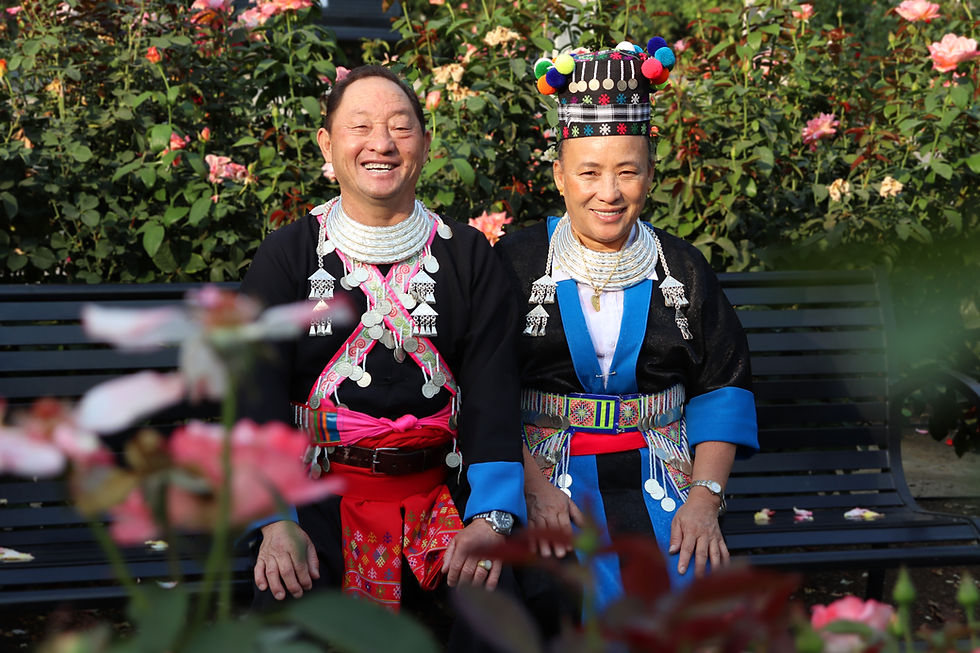
For many families, especially immigrant families, weddings represent more than a milestone. They symbolize safety, permanence, and belonging in a system that hasn’t always offered those things.
Historical Wedding Traditions Rooted in Protection and Community
Many wedding traditions we still use today come from practical—not purely romantic—origins:
Witnesses were required because marriage was a legal contract
Family processions symbolized community approval and protection
Shared meals represented alliance, unity, and mutual responsibility
Vows were public because love needed to be recognized to be protected
Even today, weddings are about being seen—by family, by community, and by the law.
How Couples Can Honor This History Intentionally
You don’t need to make your wedding “political” to make it meaningful. Small, thoughtful choices can quietly honor the journey that made your celebration possible:
1. Honor Your Family’s Story Include a note in your program or a moment in your ceremony acknowledging parents, grandparents, or ancestors—especially those who migrated, sacrificed, or endured hardship so you could stand there today.
2. Be Intentional About Inclusion Think about accessibility, language, cultural traditions, and who feels safe and welcomed at your wedding. Inclusion is one of the most powerful forms of love.
3. Choose Traditions With Meaning Incorporate cultural rituals, attire, music, or food that reflects where you come from—not just what’s trending.

4. Create a Moment of Gratitude A toast, a candle lighting, or a quiet moment in your ceremony to acknowledge that love has not always been equally protected—and that you don’t take this moment for granted.
5. Remembering your loved ones Place a framed photo of your loved one at the church ceremony or leave a spot for them at your reception.
6. Honor your parent's The greatest way to honor your parents and their sacrifice is by living a full life rooted in love, happiness, and joy.
Love Is Personal—But Weddings Are Powerful
Recognizing that weddings are tied to history and justice doesn’t make them heavy. It makes them intentional. It allows couples to celebrate not just their love story, but the freedom to tell it openly.
At their best, weddings are acts of hope. They say: We are here. Our love matters. And we choose each other—publicly and unapologetically.
At Wistoria Events, we believe weddings should feel intentional, inclusive, and deeply personal. Whether you’re honoring cultural traditions, blending family histories, or simply wanting a celebration that feels true to you, we’re here to help bring that vision to life—with care, thoughtfulness, and heart.
If you’re dreaming of a wedding that tells your story, we’d love to help you create it.


Comments