How to Coordinate Your Big Day Like Wistoria Events
Planning your big day like a wedding coordinator isn’t just about organizing events—it’s about designing a seamless itinerary where every moment flows naturally, every vendor knows their role, and the couple can actually enjoy their day without stress.
One of the most important tools a coordinator creates is a detailed wedding day itinerary. This isn’t just a loose timeline—it’s a guide that aligns the bride, groom, wedding party, coordinator, and all vendors. Here’s how I approach building a wedding day schedule like a professional coordinator.
Start With the Big Picture: The Wedding Flow
Before breaking down times, I always map out the structure of the day. Most weddings follow a similar flow:
Getting ready (bride + groom separately or together)
First look (optional)
Wedding party photos
Ceremony
Cocktail hour
Reception entrance
Dinner
Toasts
Special dances
Cake cutting / traditions
Dancing + open celebration
Grand exit
Once the structure is clear, I build a detailed timeline around it.
Build Backward From Key Events
As a coordinator, I don’t start at the beginning of the day—I start with the ceremony start time.
For example, if the ceremony begins at 4:00 PM, I work backward. This backward-and-forward method ensures nothing is rushed or overlapping.
Break Down Time for Each Vendor
A strong wedding itinerary isn’t just about events—it’s about assigning time blocks to vendors so everyone knows exactly when and where to be. Without clear timing, the whole event can easily fall behind and affect the rest of the day. When putting your timeline together, you may need to consult with the photographer. Every photographer is different and will have better insight in terms of how much time they may need for a specific shot. Timing and sunlight is an important part of getting the shot, the photographer will let you know if a time slot does not work.
Coordinator Timeline (Behind the Scenes)
As a coordinator, my schedule is often the most detailed. It includes:
Vendor arrival confirmations
Setup inspection (tables, decor, seating chart)
Cueing ceremony music
Managing processional order
Coordinating reception transitions
Keeping events on schedule (toasts, dances, cake cutting)
Troubleshooting any issues immediately
While guests see a smooth event, the coordinator is constantly adjusting timing behind the scenes.
Include Buffers in Every Section
One of the biggest mistakes in wedding planning is a rigid timeline with no flexibility.
I always build in:
10–15 minute buffer between major events
Know your family, if they are always late, plan for them to be late, better safe than sorry
Don't be last in line for HMUA
Travel time between locations, consider traffic
Cushion time before ceremony start
Buffers are what keep the day from falling apart when something runs 10–20 minutes behind Each moment is intentionally placed so energy builds naturally throughout the night.
Share the Itinerary With Everyone
Once the timeline is finalized, I don’t just keep it on paper—I distribute it strategically. Every vendor will receive the itinerary, some vendors will receive the layout, and others will require additional attachments, everyone gets what they need—nothing more, nothing less. The purpose of a wedding day itinerary is not to control every second—it’s to protect the experience of the couple.
When the timeline is well-built:
The couple will feel stress free knowing the play by play of the day
Vendors know when they have to arrive and where
Guests experience a smooth, elevated event
The coordinator can solve problems before they become visible
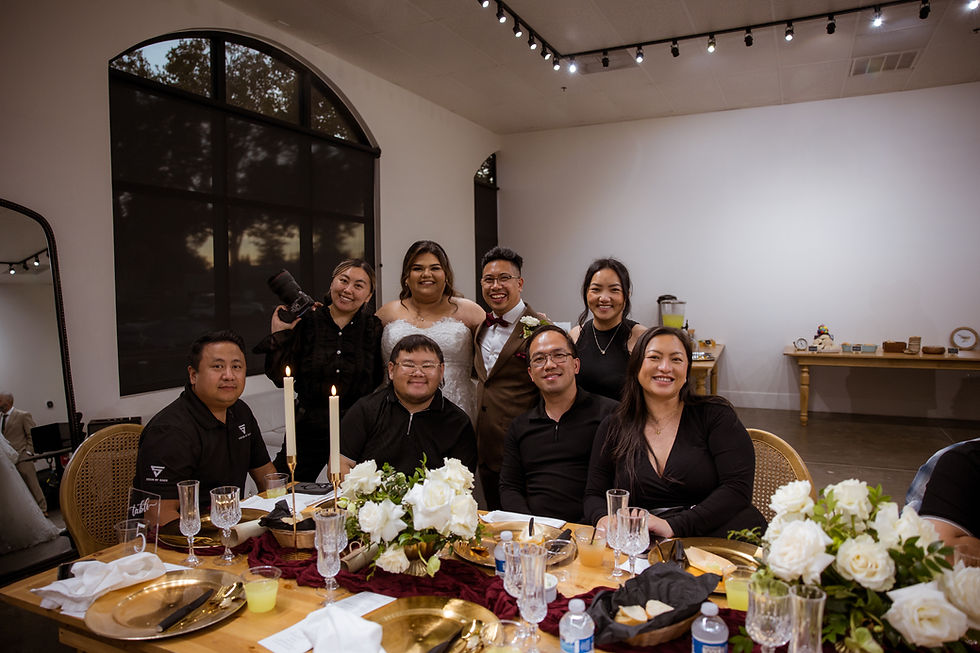
Planning a wedding day like a coordinator means thinking in layers: structure, timing, vendor coordination, and emotional flow. A detailed itinerary transforms chaos into clarity.
At the end of the day, your job as a coordinator isn’t just to keep things on schedule—it’s to make sure the couple actually lives their wedding day instead of managing it.
Because when the timeline is done right, everything else falls beautifully into place.
You Can Plan Everything… But You Can’t Be Everywhere
One of the biggest truths I share with every couple is this: you can plan every detail perfectly, but you cannot execute and experience your wedding day at the same time. You can create the most detailed itinerary, confirm every vendor, organize every box of décor, and walk into your wedding feeling fully prepared—but once the day begins, something shifts. Suddenly, you’re not just the bride or groom… you’re the point person. And in those moments, instead of being fully present—soaking in the laughter, the emotions, the once-in-a-lifetime feeling—you’re managing logistics.
Your wedding day moves fast—faster than most couples expect. It’s a blur of meaningful, emotional, and fleeting moments. You deserve to experience those moments—not manage them. You’re working.
Pro tip: Hire a wedding coordinator.


Comments